Solid Wood, Metal, or Upholstered? Selecting the Right Commercial Dining Chairs for High-Traffic Venues

⚡ Quick Takeaway for US Procurement Managers
- Solid Wood Chairs: Deliver unmatched tactile luxury and acoustic dampening for fine dining. Require mortise-and-tenon joinery and kiln-drying (6-8% EMC) to survive US climates.
- Metal Frame Chairs: The ultimate choice for ultra-high turnover QSRs and cafes. Minimum requirement: 16-gauge (1.5mm) steel with 360-degree continuous welds.
- Upholstered Seating: Essential for venues where guest dwell-time exceeds 60 minutes. Mandates CAL 117-2013 compliant foam and fabrics rated above 50,000 Wyzenbeek double rubs.
- Direct Factory Sourcing: Working with a dedicated dining chair manufacturer like MMK TRADE INC cuts landed costs by 30-40% via optimized 40HQ container shipping.
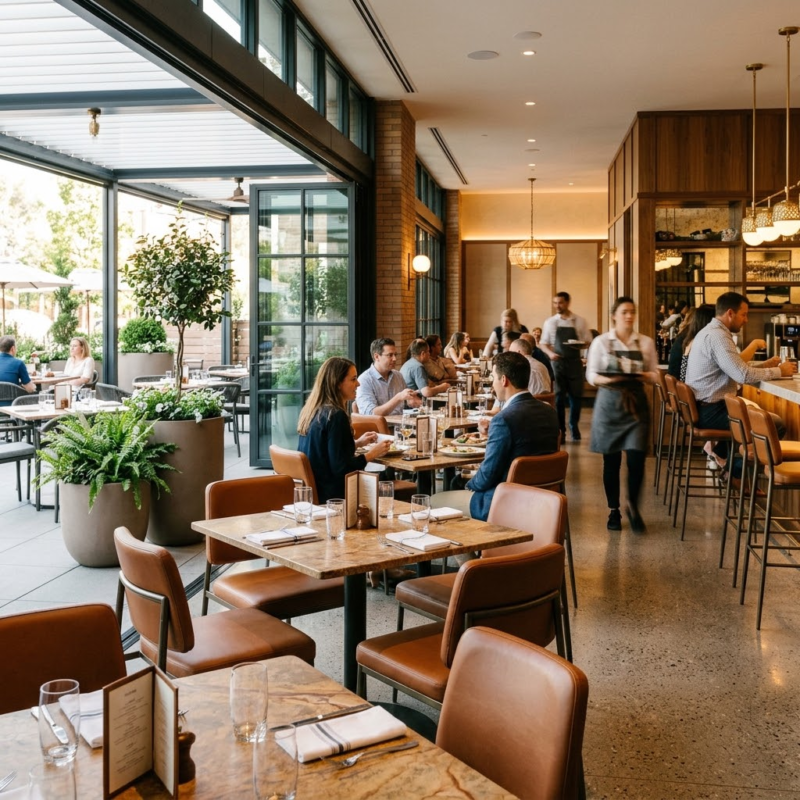
For hospitality architects, multi-unit restaurant franchisees, and wholesale furniture distributors, selecting the right wholesale dining chairs is arguably the most critical structural decision in a venue’s build-out. Chairs are the primary physical touchpoint between your brand and your guests. They endure relentless mechanical stress—patrons leaning back on two legs, servers dragging them across abrasive tile, and daily exposure to harsh chemical sanitizers.
If you procure residential-grade chairs to save on upfront Capital Expenditure (CapEx), you will inevitably face a devastating Total Cost of Ownership (TCO). Fasteners will loosen, metal legs will bend, and cheap vinyl will crack within the first 12 months, triggering costly replacements and potential premises liability lawsuits. In the commercial US market, all seating must meet or exceed ANSI/BIFMA X5.1 standards for structural stability.
As a vertically integrated furniture supplier, MMK Furniture Makers manufactures tens of thousands of bulk restaurant seating units annually. In this definitive B2B guide, we will dissect the engineering, financial, and operational pros and cons of the three primary commercial seating categories: Solid Wood, Metal, and Upholstered.
1. Solid Wood Contract Chairs: Timeless Prestige & Acoustic Warmth
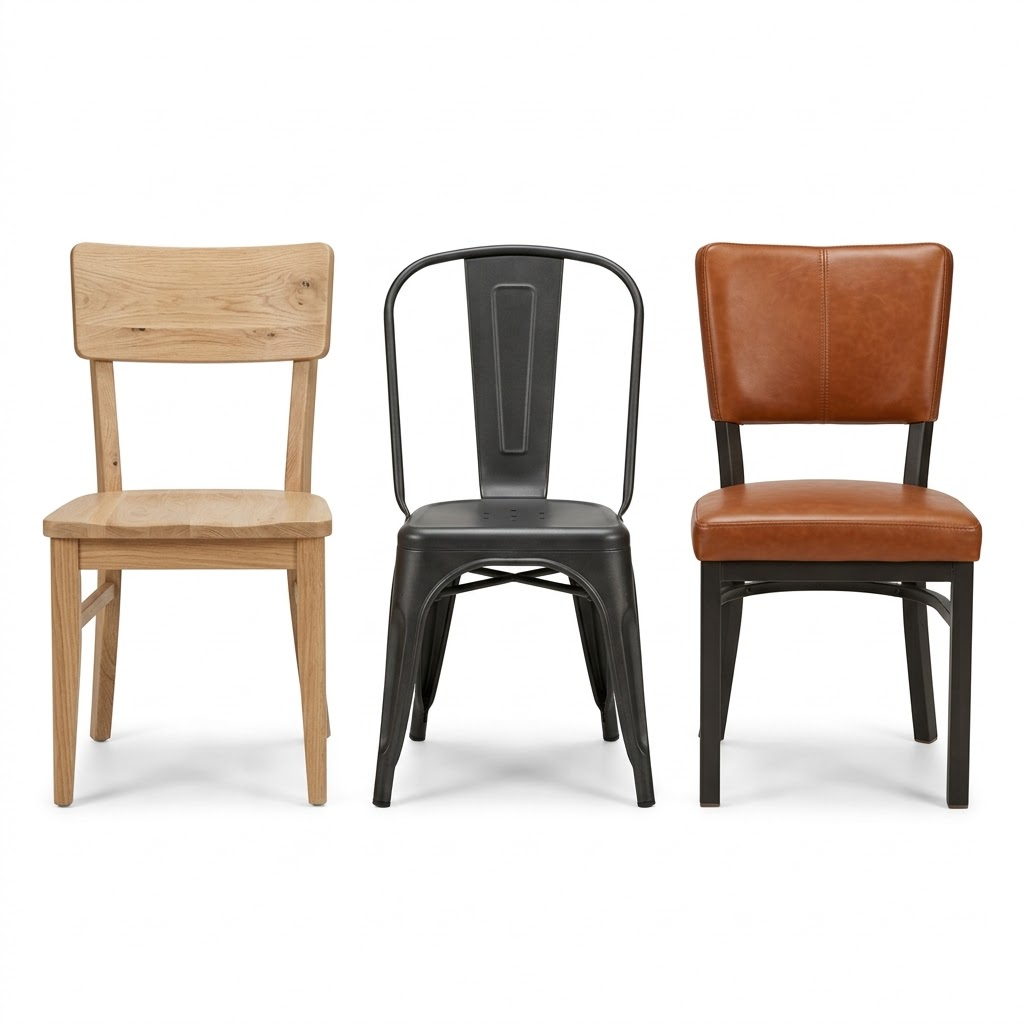
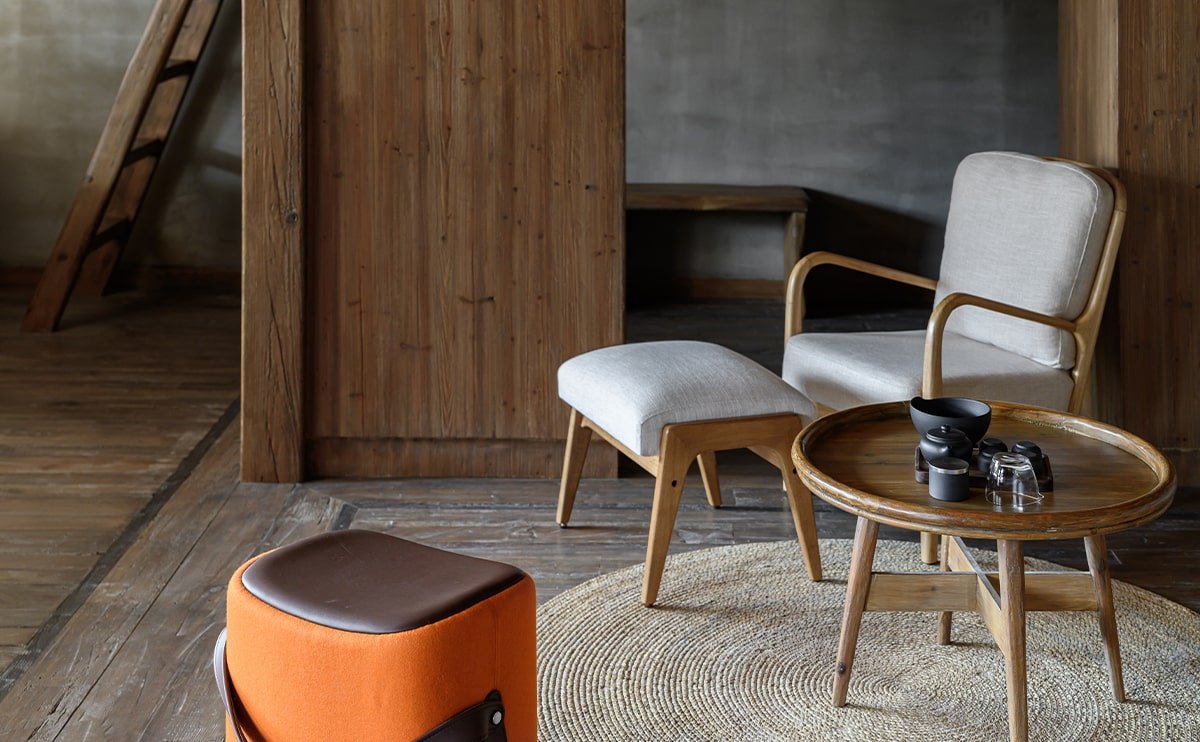
In fine-dining steakhouses, country clubs, and luxury hotel restaurants, solid wood remains the undisputed gold standard. It conveys permanence, organic warmth, and architectural weight. Beyond aesthetics, solid wood possesses excellent acoustic dampening properties, helping to reduce the harsh, echoing din commonly found in venues with concrete floors and exposed ceilings.
The Engineering Requirements for Commercial Wood Chairs
A commercial wood chair is only as strong as its joinery and its moisture content. When sourcing custom dining chairs from a B2B manufacturer, you must insist on the following specifications:
- Hardwood Species: Demand woods with high Janka hardness ratings, such as European Beech (1,300 lbf) or White Oak (1,360 lbf). Softwoods like pine will dent immediately upon impact with table edges.
- Mortise-and-Tenon Joinery: Avoid chairs assembled with basic dowels or wood screws. True commercial chairs utilize CNC-machined mortise-and-tenon joints injected with catalyzed PVA structural adhesive.
- Corner Block Reinforcement: The seat apron must be reinforced with kiln-dried hardwood corner blocks that are both glued and screwed into the frame to prevent “racking” (side-to-side wobble) over time.
- Climate Control (6-8% EMC): Because wood breathes, exporting to the USA requires strict kiln-drying to 6-8% Equilibrium Moisture Content to prevent the chair legs from splitting in heated winter environments.
Pros & Cons of Solid Wood Seating
✅ The Advantages:
- Premium aesthetic that justifies higher menu prices and upscale branding.
- Easily repairable; scratches and dents can be sanded and re-stained.
- Heavy weight discourages patrons from constantly moving chairs into aisles.
❌ The Disadvantages:
- Higher upfront CapEx compared to metal or plastic alternatives.
- Generally not stackable (with some specialized exceptions), making event storage difficult.
- Susceptible to extreme humidity shifts if used in semi-outdoor patios.
2. Metal Frame Commercial Chairs: Indestructible Efficiency
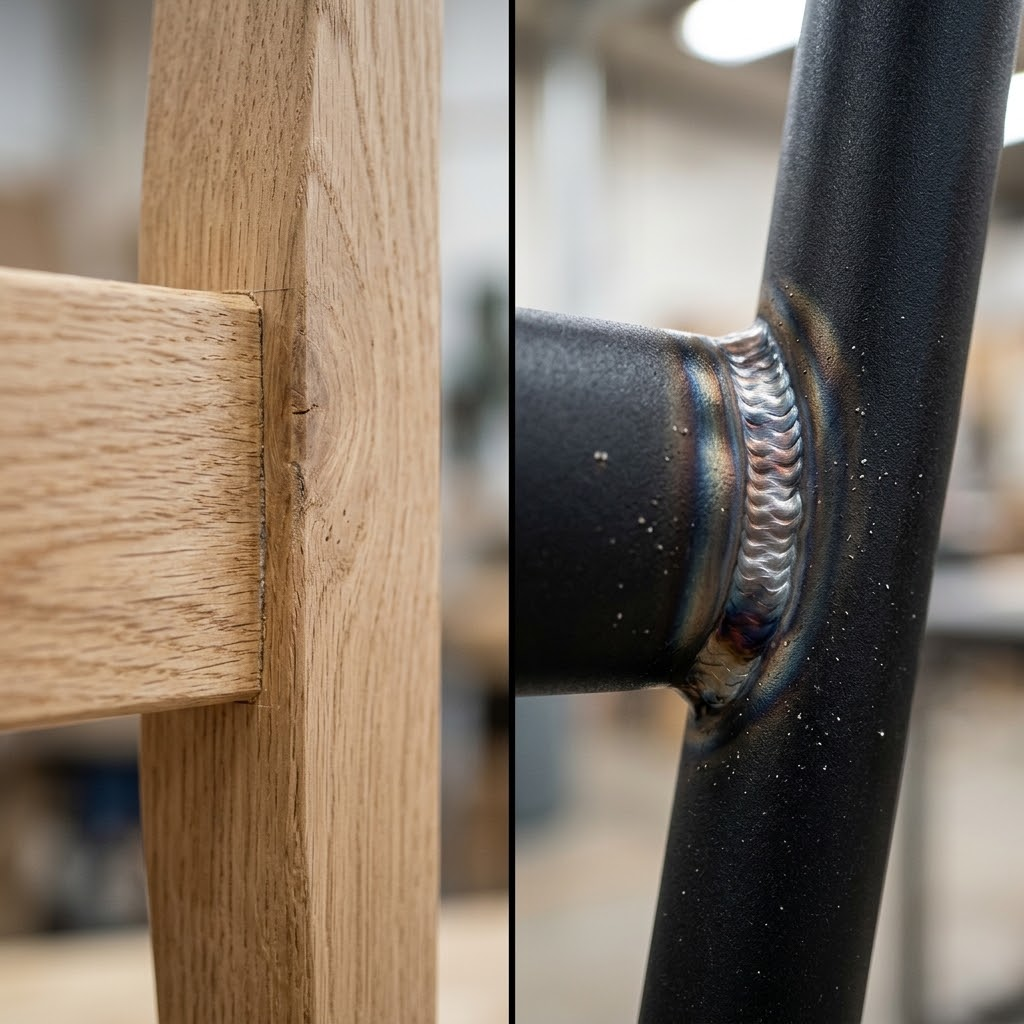
For Quick-Service Restaurants (QSRs), fast-casual franchises, industrial brewpubs, and high-turnover university cafeterias, metal seating is the definitive workhorse. The primary advantage of sourcing metal OEM dining chairs is their extraordinary strength-to-weight ratio and minimal maintenance requirements.
The Engineering Requirements for Commercial Metal Chairs
- Steel Gauge Thickness: Residential metal chairs use thin 20-gauge steel that bends under heavy loads. Commercial hospitality chairs must utilize 16-gauge (1.5mm) or 14-gauge (2.0mm) cold-rolled steel tubing.
- Continuous Welds: Do not accept “spot welded” frames. At MMK TRADE INC, every load-bearing intersection features a 360-degree continuous robotic TIG/MIG weld, completely sealing the joint against moisture and stress fractures.
- Thermoset Powder Coating: To prevent rusting and chipping, raw steel frames must undergo a multi-stage zirconium wash before being electrostatically coated in a thermoset powder coat, which is baked at 400°F.
- Commercial Floor Glides: Metal legs will instantly destroy hardwood or LVP flooring without proper protection. Insist on heavy-duty, replaceable nylon swivel glides or non-marking TPU inserts.
Pros & Cons of Metal Seating
✅ The Advantages:
- Virtually indestructible; capable of meeting 500+ lbs static load tests.
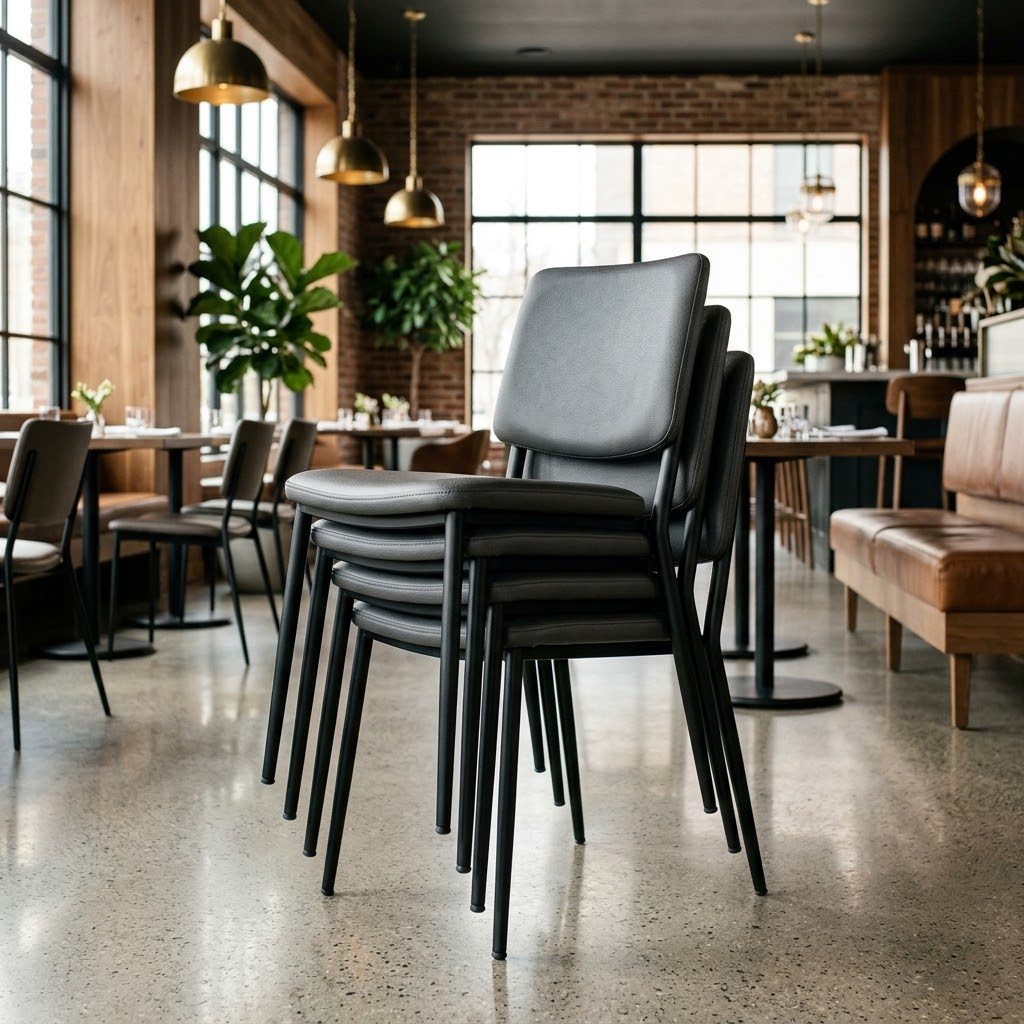
- Highly stackable. Many metal chair designs can stack 6 to 10 high, optimizing floor mopping and storage. (If stacking is your primary need, also view our folding tables & chairs catalog).
- Lower wholesale landed cost, improving your ROI on large multi-unit rollouts.
❌ The Disadvantages:
- Can feel cold to the touch and less inviting than wood.
- Can amplify ambient noise in acoustically “live” rooms (tile floors/tin ceilings).
- If the powder coat is deeply gouged to bare metal, rust can occur in high-humidity coastal environments.
3. Upholstered Seating: The Comfort vs. Maintenance Debate
If your hospitality concept relies on guests purchasing appetizers, multiple cocktails, and desserts, you must keep them comfortable for longer than 60 minutes. Hard wood or metal seats induce “bottom fatigue.” Upholstered chairs are mandatory for lounges, senior living dining, and high-end restaurants—but they carry the highest maintenance burden.
The Engineering Requirements for Commercial Upholstery
- Wyzenbeek Abrasion Testing: Residential fabrics fail at 15,000 rubs. When sourcing wholesale dining chairs, specify performance woven textiles or commercial PU/PVC vinyls rated for a minimum of 50,000 to 100,000+ double rubs.
- CAL 117-2013 Fire Safety Compliance: To legally install upholstered seating in a US commercial venue, the resilient foam and fabric must pass California Technical Bulletin 117 smolder tests.
- High-Density Foam Core: Low-density foam compresses permanently within months. Specify high-resiliency foam with a density of 2.2 to 2.8 lbs/cu.ft (35–45 kg/m³) to ensure the cushion retains its ergonomic rebound for five+ years.
- Bleach-Cleanable Surfaces: In post-pandemic environments, restaurants sanitize constantly. Specify performance vinyls that are resistant to denim dye-transfer and can withstand a 1:10 bleach-to-water cleaning solution without cracking or fading.
4. The Ultimate B2B Material Comparison Matrix
To assist procurement teams and interior designers in making data-driven FF&E decisions, use the following matrix to evaluate the Total Cost of Ownership (TCO) across the three primary categories.
| Metric | Solid Wood Chairs | Metal Frame Chairs | Upholstered Chairs |
|---|---|---|---|
| Initial Upfront CapEx | Highest ($$$$) | Lowest ($$) | Moderate-High ($$$) |
| 5-Year Maintenance Cost | Low (Occasional touch-ups) | Extremely Low (Wipe & go) | Highest (Stain removal, reupholstery) |
| Ergonomic Guest Comfort | Good (up to 90 mins) | Fair (up to 45 mins) | Exceptional (2+ hours) |
| Stackability & Storage | Rarely stackable | Highly stackable (6-10 high) | Conditionally stackable (4-5 high) |
| Ideal Hospitality Venue | Steakhouses, Boutique Hotels | QSRs, Cafes, Breweries | Lounges, Fine Dining, Senior Care |
5. B2B Procurement Tips: Working with MMK Furniture Makers
Whether you require 50 solid oak armchairs for a local remodel or 2,000 metal stackable chairs for a national franchise rollout, partnering with MMK TRADE INC removes the friction of overseas procurement. As a direct furniture manufacturer, we offer unparalleled OEM/ODM flexibility:
- Container Consolidation: Do not pay LCL shipping fees from five different factories. We allow US buyers to mix bulk restaurant seating, dining tables, and sideboards and buffets[cite: 14, 15] into a single optimized 40HQ container.
- Custom COM & Stain Matching: Send us your designer’s Customer Own Material (COM) fabric or a wood floor sample, and our factory will perfectly match the stain and execute the upholstery to US commercial standards.
- US Door-to-Door DDP Delivery: We manage ocean freight, US customs clearance, and inland trucking straight to your project site or warehouse.
6. Commercial Seating FAQ
Q1: Are MMK wood and metal chairs ANSI/BIFMA compliant?
Yes. Our commercial seating frames are engineered to pass BIFMA X5.1 testing protocols, enduring over 100,000 repetitive seating cycles and supporting static loads of 350 to 500 lbs to protect your venue from liability.
Q2: What is the minimum order quantity (MOQ) for wholesale dining chairs?
For standard models in our wholesale furniture catalog, MOQs start as low as 20-30 units, provided they are part of a consolidated shipment. For completely custom OEM designs requiring new molds, MOQs start at 50-100 units.
Q3: How do we properly clean commercial vinyl chairs without cracking the fabric?
Use a mild soap and water solution for daily cleaning. For deep sanitization, you can use a 1:10 ratio of household bleach to water. Never use harsh alcohol-based solvents or abrasive scrubbing pads, as they will strip the protective topcoat and cause the vinyl to harden and crack.
Ready to Upgrade Your Hospitality Seating?
Eliminate middleman markups. Source contract-grade solid wood, metal, and upholstered dining chairs directly from the factory.